expert tips for maintaining your decibel meter accuracy
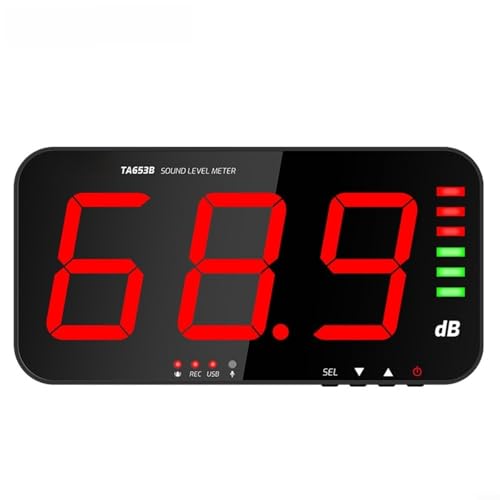
Decibel meters are essential tools for measuring sound levels in various environments, from construction sites to concert venues. To ensure that your measurements are consistently accurate, proper maintenance of your decibel meter is crucial. In this article, we will provide expert recommendations on how to maintain the accuracy and reliability of your decibel meter in 2026.
Regular Calibration
One of the most important steps to maintaining your decibel meter accuracy is to ensure that it is regularly calibrated. Calibration should be performed at least once a year, but if your meter is used frequently or in varying conditions, consider calibrating it more often. During calibration, your device is tested against a known sound level to ensure its readings are accurate. Always use calibration standards that are traceable to national or international standards to ensure reliability.
Keep it Clean
Dust and debris can interfere with the internal components of your decibel meter, leading to inaccurate readings. Make it a habit to clean your meter regularly using a soft, lint-free cloth. Avoid using any harsh chemicals or solvents that could damage the device. Pay special attention to the microphone area, as this is where the sound is captured. A clean microphone will ensure that only the intended sound is measured.
People Also Look For:
- TopTes Decibel Meter, TS-501A Sound Level Meter with 2.25†Backlight LCD Screen, Portable SPL Tester with A Weighted...
- Cadrim Digital Sound Level Meter Portable Sound Meter Data Logger Decibel Noise Meter Tester 30-130dB Auto OFF Alarm Function Max/...
- High-Precision Wall-Mounted Sound Level Meter 130dB with 13" LCD, Color-Coded Alerts, Temperature & Humidity Sensors, Alarm Functi...
- SURLABA Decibel Meter Wall Mounted, 3In1 Digital Sound Level Meter 30~130dB Range with Temperature & Humidity Display, 11" Large L...
- Wall-Mounted Sound Level Meter for Environmental and Industrial Noise Monitoring, 30-130dB Range with Large LCD Display, Data Logg...
Store Properly
The way you store your decibel meter can greatly affect its longevity and accuracy. Always store it in a protective case when not in use to prevent physical damage. Ensure that the storage location is dry and free from extreme temperatures or humidity, as these conditions can affect the internal components of the meter. If your decibel meter is battery-operated, remove the batteries when storing the device for an extended period to prevent corrosion.
Check Battery Levels
Low battery levels can lead to inaccurate readings, so it is essential to regularly check the battery status of your decibel meter. Replace batteries promptly if they are running low, and use high-quality batteries recommended by the manufacturer. Consider investing in rechargeable batteries to reduce waste and ensure you always have a reliable power source.
Monitor Environmental Conditions
External factors such as temperature and humidity can influence the performance of your decibel meter. Always be aware of the conditions in which you are operating the device. If possible, allow the meter to acclimatise to the environment before taking measurements. This minimises the risk of inaccurate readings due to sudden changes in temperature or humidity.
Understand Your Device
Familiarise yourself with the specifications and capabilities of your particular decibel meter model. Different models have varying ranges, response times, and frequency weightings (such as A-weighting and C-weighting). Understanding these details will help you utilise the meter effectively and interpret the results accurately. Always refer to the user manual for specific care instructions and best practices.
Use Proper Measurement Techniques
The technique used during measurement can also impact the accuracy of your results. Hold the device at a consistent distance and angle from the sound source to minimise variability. Avoid placing the meter near reflective surfaces or objects that may cause sound distortion. For best results, take multiple readings and calculate the average to account for fluctuations in sound level.
Record and Review Data
Keeping a log of your measurements can help you identify any discrepancies in your decibel readings over time. This data can be invaluable for tracking performance and determining when recalibration may be necessary. By reviewing your data, you can also assess whether any external factors may be affecting your measurements, allowing for timely adjustments.