common miscalculations when using a decibel meter in practice
Using a decibel meter can be an essential skill for anyone working in sound engineering, health and safety, or environmental monitoring. However, many users make common miscalculations that can lead to inaccurate readings and misleading results. Understanding these pitfalls is crucial for ensuring precise measurements in various applications.
Misunderstanding the A and C weighting filters
One of the first miscalculations comes from misunderstanding the different weighting filters that decibel meters provide. Most decibel meters can measure sound levels using A-weighting and C-weighting. A-weighting approximates human hearing sensitivity, making it the preferred choice for environmental noise assessments. C-weighting, on the other hand, is flat across frequencies and is used for measuring peak levels or very loud sound sources. Choosing the wrong weighting filter can drastically change your results, so always ensure you select the appropriate setting based on what you are measuring.
Ignoring the meter's response time
Another common mistake is neglecting the response time setting on the meter. Decibel meters typically have fast, slow, and impulse response settings. The fast response time captures short bursts of sound, while the slow response averages out readings over a longer period. For fluctuating noise levels, using the wrong response time can either exaggerate transient peaks or smooth out important data. Familiarise yourself with these settings and select the most suitable option for your measurement scenario.
People Also Look For:
- Decibel Meter, Deosdum Decibel Reader And Microphone Smart Sensor Sound Level Meter Logger 30 to 130Db Noise Measurement Digital A...
- ZDETGU Digital Sound Meter Handheld Decibel Tester with LCD Display for Noise Monitoring in Home Offices and Industrial Environmen...
- Decibel Meter 13 Inches Wall Hanging Sound Level Meter Data Logger, Noise Meter with 16.4ft Sound Sensor, Audible and Visual Alarm...
- Digital Sound Level Meter Hand-held Sound dB Meter with Programmable Alarm Value Function, 30-130dB(A) Decibel Sound Noise Meter T...
- Digital Sound Level Meter with Decibel Data Logging, 30–130dB Range, Large LCD Display, Portable Noise Measurement Device f...
Not considering measurement distance
Measurement distance is another factor that can lead to miscalculations. Sound levels decrease with distance due to the inverse square law, which states that sound intensity diminishes as it travels away from the source. If you are measuring sound levels from a distance that is not accounted for in your calculations, you may end up with readings that do not reflect the actual exposure level at the desired location. Always ensure that you are measuring at a consistent distance and make adjustments to your readings if necessary.
Failing to calibrate the meter
Calibration is critical for ensuring accuracy in any measuring device, including decibel meters. Many users forget to calibrate their equipment before use, leading to potentially significant discrepancies in their readings. Regular calibration checks should be conducted based on the manufacturer's guidelines or after any significant event that could affect the device's accuracy. Always ensure your meter is calibrated to avoid skewed results.
Neglecting background noise
When taking measurements, it is easy to overlook the impact of background noise on your results. Background sounds can significantly affect the accuracy of your readings, especially in environments with varying noise levels. To mitigate this, choose a quiet time or location for your measurements, and consider conducting multiple readings to get an average value. Additionally, note the types of background noise present, as they can be relevant when interpreting your results.
Misreading the display
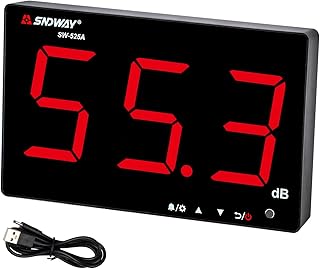
Interpreting the display of a decibel meter can lead to miscalculations if users do not pay attention to the units and scale. Some meters have multiple scales or can display readings in different units, like dBA or dBC. It is essential to understand what each unit represents and to read the display accurately. Taking quick notes or photographs of the readings can help ensure you do not forget the specific details later on.
Not documenting conditions
Lastly, failing to document the conditions under which measurements are taken can result in confusion later on. Always note the date, time, weather conditions, and any other relevant observations that might affect sound levels. This contextual information can be invaluable when analysing your data and drawing conclusions from your measurements.