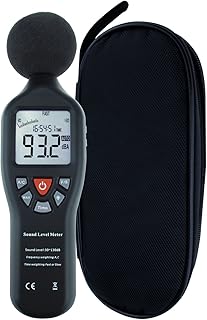
effective techniques for using a decibel meter at home
In today’s noisy world, understanding sound levels in your home can be crucial for creating a comfortable living environment. A decibel meter is an essential tool that measures sound intensity, enabling you to monitor and manage noise effectively. Whether you are concerned about loud appliances, disturbances from neighbours, or simply wish to maintain a peaceful atmosphere, this guide will provide you with effective techniques for using a decibel meter in your home.
Choosing the Right Decibel Meter
Before diving into techniques, it is important to select a suitable decibel meter. Look for a device that measures a wide range of sound levels, typically from 30 dB to 130 dB. Ensure the meter has a decent accuracy rating, ideally within one decibel. Features like a backlit display, data logging capabilities, and a tripod mount can enhance usability. Popular options include handheld models and smartphone applications, which can be convenient for casual users.
Understanding Sound Levels
Familiarise yourself with common sound levels to better interpret the readings of your decibel meter. For instance, a quiet library registers around 40 dB, normal conversation is approximately 60 dB, and heavy traffic can reach up to 85 dB. Understanding these benchmarks will help you assess whether noise levels in your home are within a comfortable range. Remember that prolonged exposure to sounds above 70 dB can potentially lead to hearing damage.
People Also Look For:
- S8607 Decibel Meter, Digital Sound Level Meter, Noise Decibel Portable SPL Meter 30dB to 130dB MAX Data Hold with LCD Display Back...
- High-Precision Wall-Mounted Sound Level Meter 130dB with 13" LCD, Color-Coded Alerts, Temperature & Humidity Sensors, Alarm Functi...
- Sound Meter Decibel Level Calibrator Calibration 114dB / 94dB / 104dB Calibration Level for Sound Level Meters
- Decibel Meter 13 inches Sound Decibel Meter, Wall Hanging and Desktop Sound Level Meter Large LED Noise Meter Displays Decibel Tim...
- Decibel Meter, Decibel Reader And Microphone Smart Sensor Sound Level Meter Logger 30 to 130Db Noise Measurement Digital Audio Lev...
Finding the Right Location
The placement of your decibel meter can significantly affect its readings. It is advisable to position it at ear level in the area where you experience noise disturbances. If you are measuring sound from an appliance, position the meter three feet away from the source for the most accurate readings. Avoid placing the meter directly against walls or in corners, as this can lead to reflections that distort the measurements.
Taking Measurements
When taking measurements, allow the decibel meter to acclimatise to the ambient noise for a minute before recording your results. For accurate comparisons, take multiple readings at different times of the day. This will help you identify patterns, such as peaks in noise during rush hours or nighttime disturbances. Use the average of these readings for a more reliable assessment of your home's noise levels.
Documenting Your Findings
Keep a log of your measurements to track noise levels over time. This documentation can be useful if you need to discuss noise issues with neighbours or local authorities. Note the time, location, and specific conditions during each reading. By maintaining a detailed record, you will have concrete evidence to support your case if noise complaints arise.
Implementing Solutions
Once you have gathered data, consider implementing soundproofing solutions if necessary. For example, if you discover that noise from outside is a persistent issue, installing double-glazed windows or adding heavy curtains can help reduce sound infiltration. Additionally, using rugs, wall hangings, and furniture can absorb sound and minimise echoes within your home.
Using Your Meter for Home Projects
A decibel meter can also be a valuable tool for home improvement projects. For instance, if you are planning to build a home theatre or a music room, use the meter to monitor sound levels during construction to maintain an ideal acoustic environment. Testing different materials and configurations will help you achieve the desired sound quality.
Engaging the Family
Involve your family in your noise management efforts. Use the decibel meter to educate children about sound levels and the importance of keeping noise to a minimum. This can help foster a collective responsibility for noise reduction at home and raise awareness of how different activities contribute to overall sound levels.